

WHY I PICKED THIS HOLIDAY
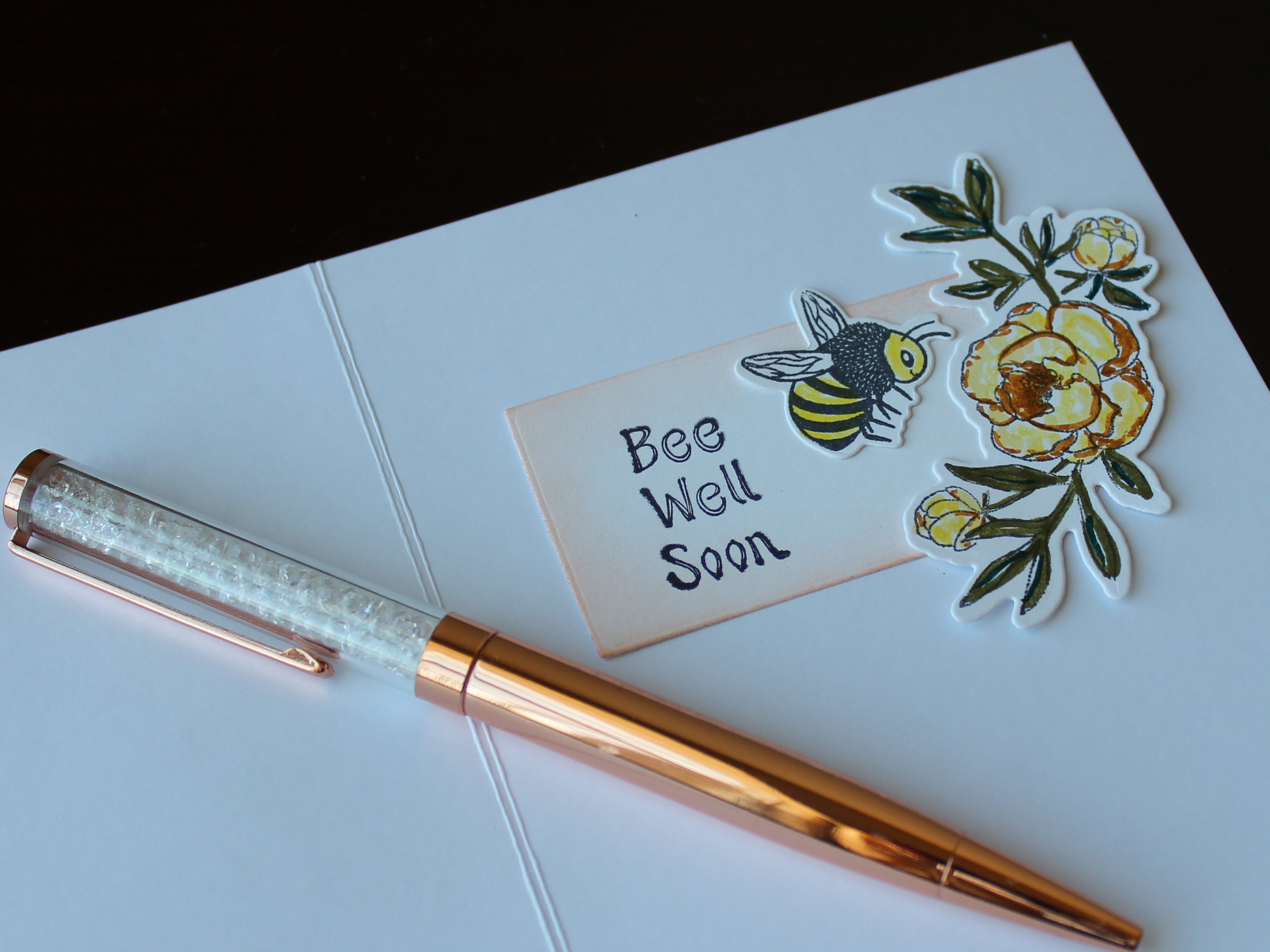
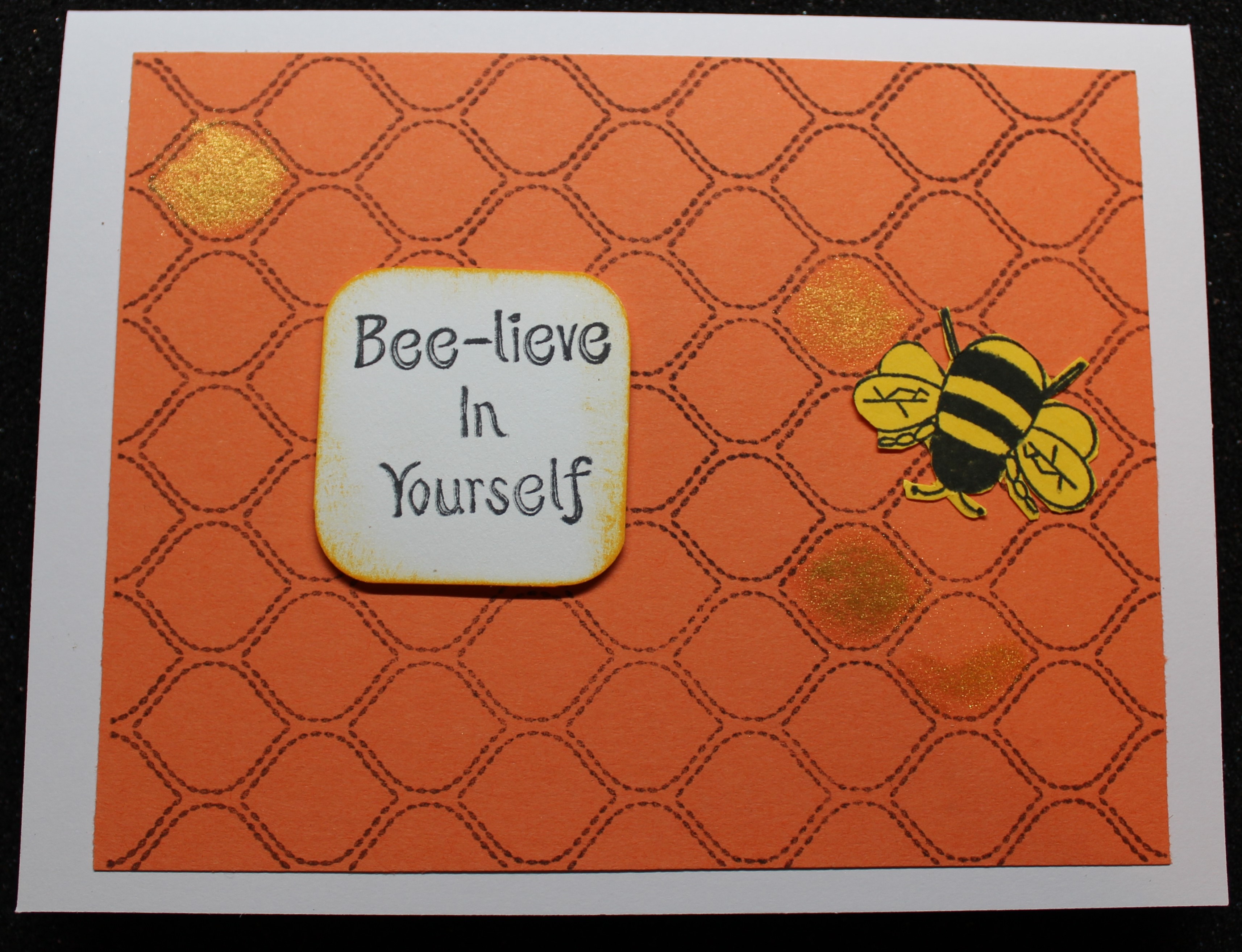
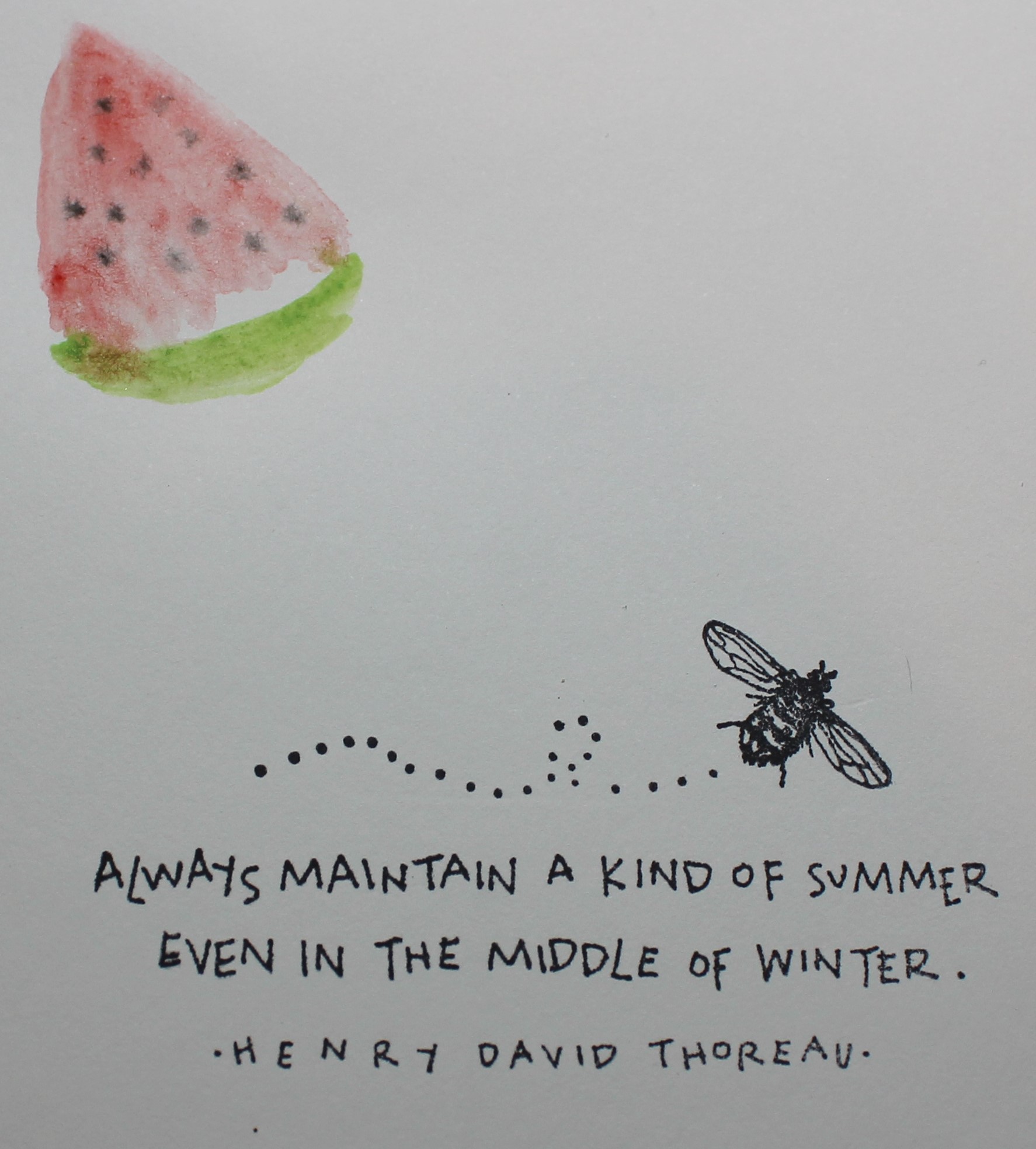
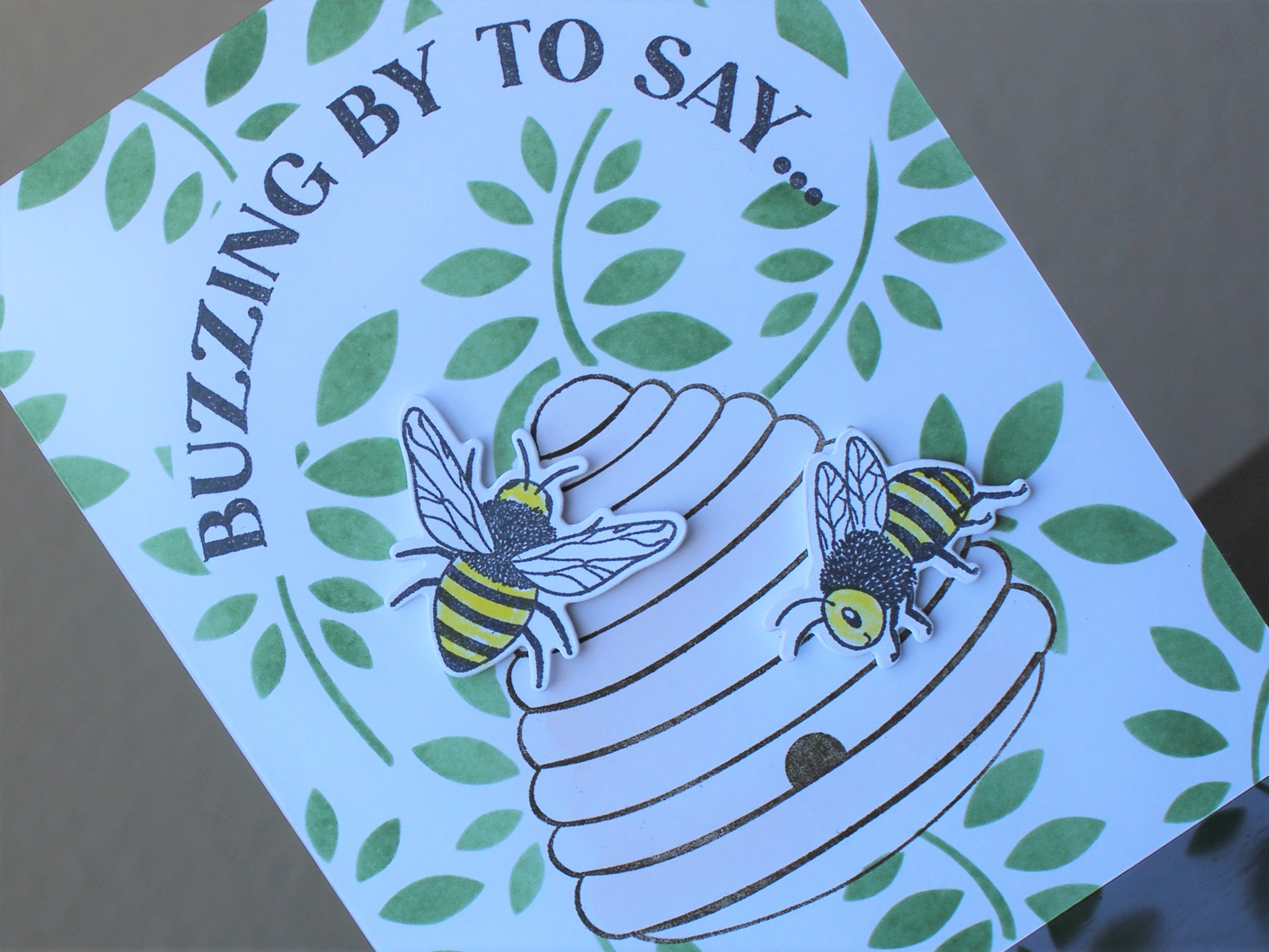
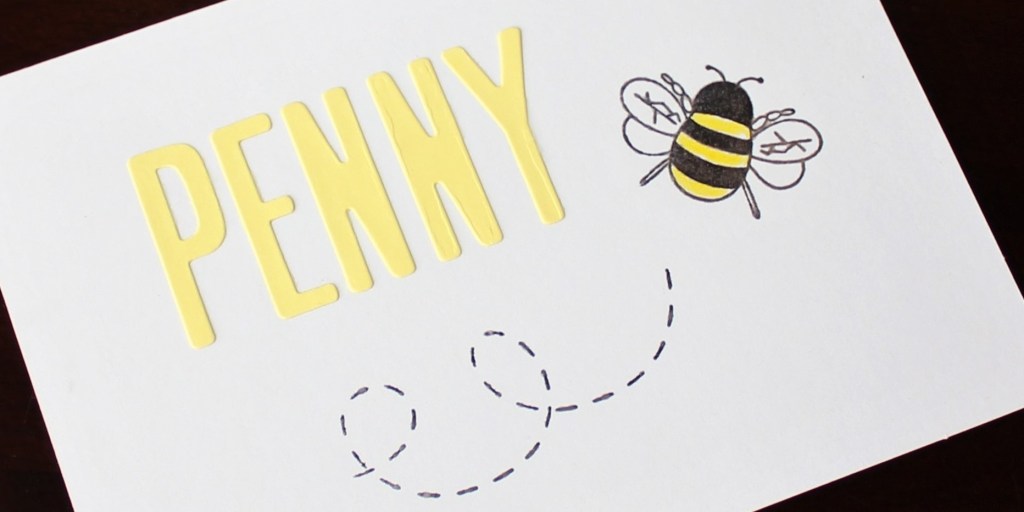
I am fascinated with all kinds of bees. I’ve shared a selection of my bee photos and cards in this month’s blog. The purpose of this holiday, created in 2010, is to educate the public. Let’s start by exploring the products honeybees create. In the process it may led to some surprises.
COMMERCIAL PRODUCTS
Beeswax is used in fine candle making. Honey is a popular food found in any supermarket. It can also be used as a beauty treatment. A honey facial is used to add hydration, or it can treat acne.
Heard of honey for a cough? If you suffer with seasonal allergies eating local honey can lessen your symptoms. It has other medical uses too. Manuka honey is priced higher due to its high concentration of MGO (methylglyoxal). It’s used to combat antibiotic-resistant strains of bacteria like MRSA. While it is pricey, it’s not the most expensive. Elvish honey is $10,000 per kilogram!
Commercial farms rely on pollinators for our food crops. Some of our most nutritious foods depend on this tiny insect. Everyone loves flowers. Honeybees pollinate plants and flowers in our backyard gardens too.
HOW TO HELP
If you have a backyard garden, you can help the bees. Plant a variety of flowers. Having a source blooming throughout the seasons will be a joy for you and help the pollinators. Native wildflowers such as lavender, coneflowers and sunflowers are pretty to look at and attractive to bees. Popular herbs used in cooking such as mint, rosemary and thyme are food source for bees too. Avoid chemical pesticides, natural pest control methods can be substituted if there is a need.
FUN BEE FACTS
Bees regulate the hive temperature by using their bodies. They cluster together during the cold months to keep warm. In hot weather they use the fanning of their wings to ventilate the hive.
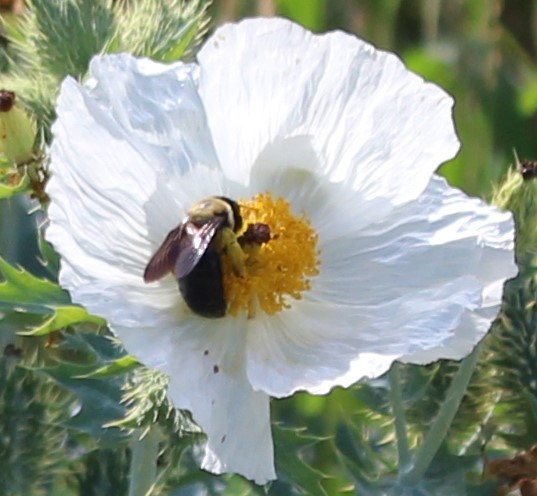
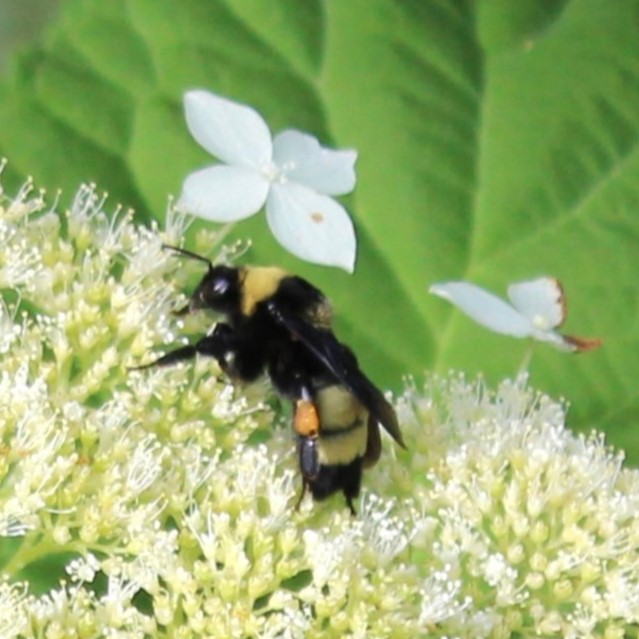
Honeybees were not native to North America. As Europeans began to colonize the colonies they brought honeybees with them.
Bee venom has anti-inflammatory properties that can be used to treat medical conditions like arthritis and high blood pressure.
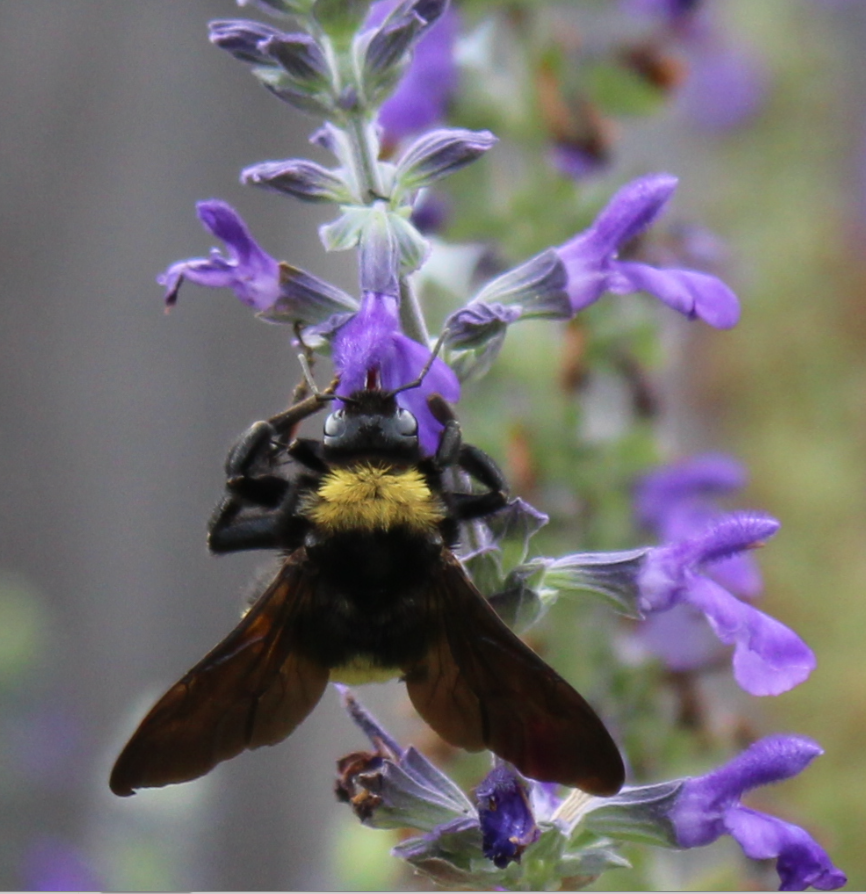
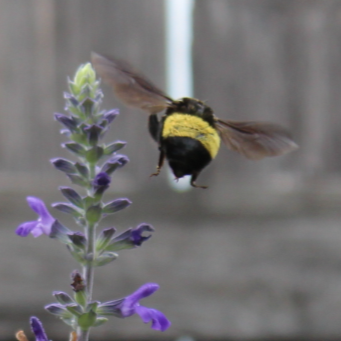
They communicate by dancing. Called a ‘waggle dance’ they can communicate direction and distance to the flowers.
YOUR TURN TO BE SWEET
We don’t have to waggle to communicate. Share with others how honey and honeybees benefit the ecosystem, economy, and our quality of life. Encourage your friends and family to learn more about honeybees, share articles on social media or support local beekeepers to help protect these vital pollinators.
BE KIND TO YOUR HONEY
It’s easy to become complacent about our close relationships but the truth is we must work like the honeybee to produce a favorable result. We don’t have to ‘waggle,’ we have a multitude of ways to communicate. By acts of kindness, verbally or committing our thoughts to paper. If you have difficulty finding the words a greeting card can speak for you. It can be sentimental or funny, but the secret is to find one that speaks your message.
TRUE STORY
I was watering my flowers with a hose. Big bumble bees were flying from one flower to another. One bee was unhappy to be wet and started flying towards me. I quickly started to back up. In seconds I was on my back, hose squirting water now in a beautiful arch against a blue sky with the water now raining down on me! Only my pride was hurt but I did see the humor. I roared with laughter once I caught my breath. Do you have a bee story? Share it in the comments. Be kind to your honey. Have a blessed day and keep smiling!
 Paper Crafted Bliss